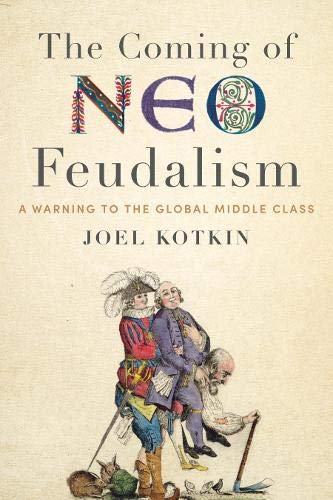
In the fourth episode of the Feudal Future podcast, hosts Joel Kotkin and Marshall Toplansky interview Jennifer Hernandez, a partner with Holland & Knight Law Firm in its California offices. Her firm is one of the most prominent in the world of environmental regulations, and she herself is in the midst of lawsuits pertaining to California environmental law. read more »
Economy
Feudal Future Podcast — How California's Climate Policies Hurt the Middle Class, with Jennifer Hernandez
by Charlie Stephens 07/06/2020
»
- Login to post comments
Vancouver: Speculators Market for Real Estate Agents
by Wendell Cox 04/30/2018
It has long been known by economists, but ignored by planners, that urban containment policies create speculators markets. This has been especially evident in Vancouver, the third most unaffordable market in the Demographia International Housing Affordability Survey, and Toronto, which has experienced record breaking house cost escalation relative to incomes since enacting its “Places to Grow” urban containment policy in the middle 2000s. read more »
»
- Login to post comments
Subjects:
The New American Heartland
by Alicia Kurimska 05/22/2017
How can Middle America tap into its potential to drive the nation’s economy?
At "The New American Heartland" forum, hosted by the City Club of Cleveland, J.D. Vance, author of Hillbilly Elegy: A Memoir of a Family and Culture in Crisis, discussed the economic and cultural challenges facing Middle America. read more »
»
- Login to post comments
California's Fading Promise: Millennial Prospects in the Golden State
by Joel Kotkin 05/11/2017
Homeownership continues to be the most important part of the American dream for millennials, but California's rising house prices continue to force them out of the state.
This video is part of the larger report "California's Fading Promise: Millennial Prospects in the Golden State", conducted by Joel Kotkin and Chapman University researchers, in partnership with the California Association of Realtors. read more »
»
- Login to post comments
Subjects:
California Companies Head for Greatness – Outside of California
by Joseph Vranich 11/09/2015
Why would companies located in one of the most beautiful states in the country – California – undertake the costly proposition of relocating to places with less scenic appeal and less-than-ideal weather?
There are three answers and they relate to California’s business environment: Regulations, taxes and anxiety. read more »
»
- Login to post comments
Subjects:
1099 Economy on the Rise
by Joshua Reeves 11/14/2014
Here at ZenPayroll, we care a lot about how compensation is done, and the effect compensation can have on the relationship between employers and employees. read more »
Texas & Oklahoma Dominate Metropolitan Economic Growth
by Wendell Cox 04/07/2014
Texas metropolitan areas continue to dominate economic growth, according to the latest Metro Monitor, produced by the Brookings Institution. The four top metropolitan areas in overall economic growth through the recession and "recovery" (our parentheses) have been: read more »
»
- Login to post comments
Book Review: "The Fate of the States: The New Geography of American Prosperity" by Meredith Whitney
by Eamon Moynihan 09/12/2013
In December 2010, Meredith Whitney, the financial analyst, appeared on 60 Minutes, where she predicted that the United States would see between 50 and 100 defaults of municipal bonds. read more »
»
- Login to post comments
Subjects:
New York and California: The Need for a “Great Reset”
by Wendell Cox 06/24/2013
Despite panning Texas Governor Rick Perry’s initiative to draw businesses from New York, Slate’s business and economics correspondent, Matt Yglesias offers sobering thoughts to growth starved states along on the West Coast and in the Northeast. read more »
Subjects:
The 2012 Year in Unemployment
by Aaron M. Renn 05/07/2013
I recently looked at the changes in jobs in metro areas for 2012. Here’s a follow-on look at unemployment. First a look at the national unemployment rate picture, which has improved remarkably. read more »
Subjects: