Portland, Oregon is suffering from the “worst housing crisis outlook” in the country read more »

PortlandPortland Has the “Worst Housing Crisis Outlook”
by Randal OToole 06/06/2025
Portland, Oregon is suffering from the “worst housing crisis outlook” in the country read more » »
Subjects:
Why I Am the Antiplanner
by Randal OToole 05/22/2025
 In 1997, Metro — Portland’s regional planning agency — issued its 2040 plan to guide the region for the next several decades. read more » »
Subjects:
Governor Targets More Apartment Construction, So of Course Fewer Are Built
by Randal OToole 04/06/2025
 On her first day in office, Oregon Governor Tina Kotek signed an executive order calling for the construction of 36,000 new homes per year. read more » »
Subjects:
What's Happening in Oregon and Vermont?
by Randal OToole 01/30/2024
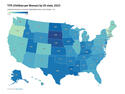 A few weeks ago, I noted that there appeared to be correlation between government efforts to get more people into multifamily housing and low fertility rates. read more » »
Subjects:
A Polycentric Plan for Portland
by Randal OToole 10/22/2023
 Portland’s TriMet transit agency is attempting to serve a 2020s urban area with a 1910 transit system, says a new report published by the Cascade Policy Institute. read more » »
Subjects:
MAGA Attacks on Cities Are Not Working
by Pete Saunders 10/10/2023
 We’re 13 months away from the 2024 presidential election, and just 3 months away from the primaries. The dominant themes of the election are forming. The Republicans have let it be known that one theme will be the crime, drugs, homelessness, and the general lawlessness of “Democrat-run” cities is a disqualifying factor for Dems, and a point in their favor. read more » »
Subjects:
America's Sanctuary Cities Are Falling Apart
by Joel Kotkin 09/21/2023
 If it were not so tragic, it would be funny. For years the progressive Left — in the US as well as across the West — has boasted about its willingness to accept people even if they have arrived in America illegally. read more » »
A New Rideshare Model
by Randal OToole 05/14/2023
 Alto is a rideshare company that was founded in Dallas and so far is also operating in Houston, Los Angeles, Miami, San Francisco, and Washington. read more » How Not to Revitalize Downtown
by Randal OToole 05/02/2023
 The city of Portland announced yesterday that it received a $2 million federal grant to get it to ban gasoline (and, presumably, Diesel) delivery vehicles in a sixteen-block area of downtown Portland. read more »
Subjects:
The Housing Plot
by Randal OToole 04/05/2023
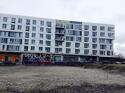 Oregon’s new governor, Tina Kotek, has made housing her top priority and has proposed a number of unrealistic and idiotic remedies to high housing costs and homelessness. read more » »
Subjects:
|
Subscribe to NG ArticlesFeatured Content
The Coming of Neo-Feudalism
Infinite Suburbia
Books
Authored by Aaron Renn, The Urban State of Mind: Meditations on the City is the first Urbanophile e-book, featuring provocative essays on the key issues facing our cities, including innovation, talent attraction and brain drain, global soft power, sustainability, economic development, and localism. Popular ContentRecommended Books
Blogroll and Partner SitesUser login |